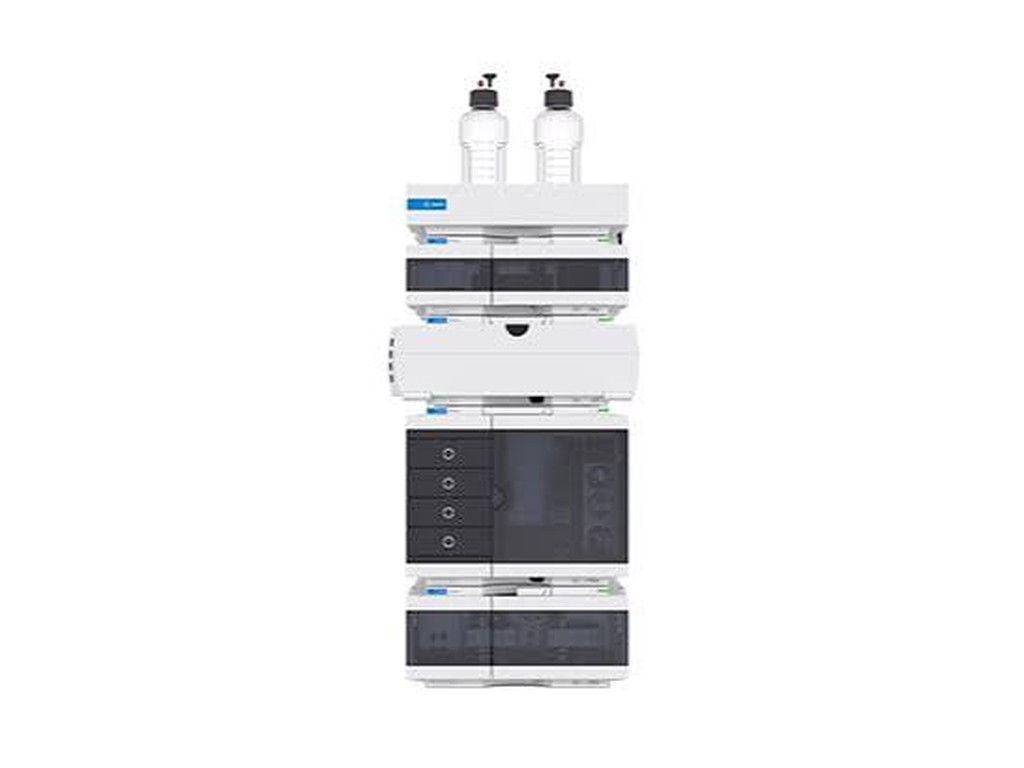
HPLC
Differential partitioning between a liquid mobile phase and a solid stationary phase.
- Applications ·
- Assay, related substances, content uniformity, dissolution samples
- Industries ·
- Pharma, food, nutraceuticals, water
“Four Weeks Inside a Working Laboratory.”
A full month of structured industrial training — laboratory operations, advanced analytical instrumentation, pharmacopoeial and regulatory standards, quality management systems, and an individual mini project with report and presentation.
Programme fee: ₹4,999 per participant. Open to all students — register individually online.
Learning outcome: Students work inside the laboratory the way a new employee is expected to from day one.
Learning outcome: Students can explain what each instrument does, why it is used and how its data becomes a result.
Learning outcome: Students understand the legal and compendial framework behind every result a laboratory releases.
Learning outcome: Students leave with a completed project, an assessed skill record and an industry-ready profile.
Every major analytical technique is demonstrated live, with supervised hands-on steps and data interpretation.
Differential partitioning between a liquid mobile phase and a solid stationary phase.
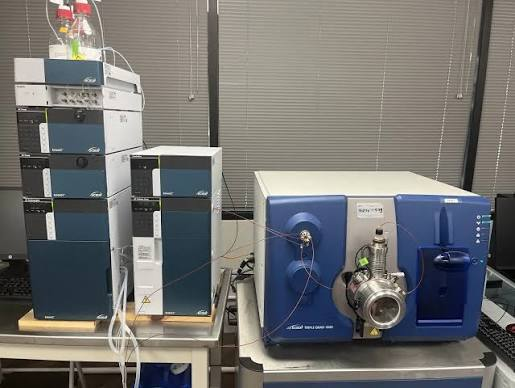
Chromatographic separation followed by tandem mass filtering of precursor and product ions.
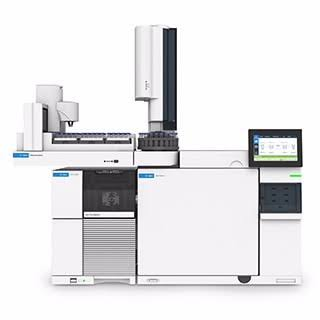
Gas-phase separation on a capillary column with mass spectrometric detection.
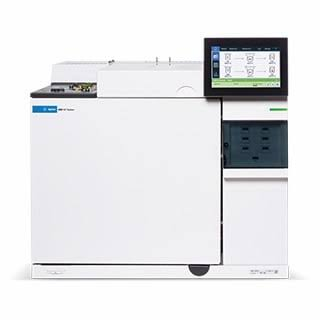
Volatile analytes carried by an inert gas and detected by FID or TCD.
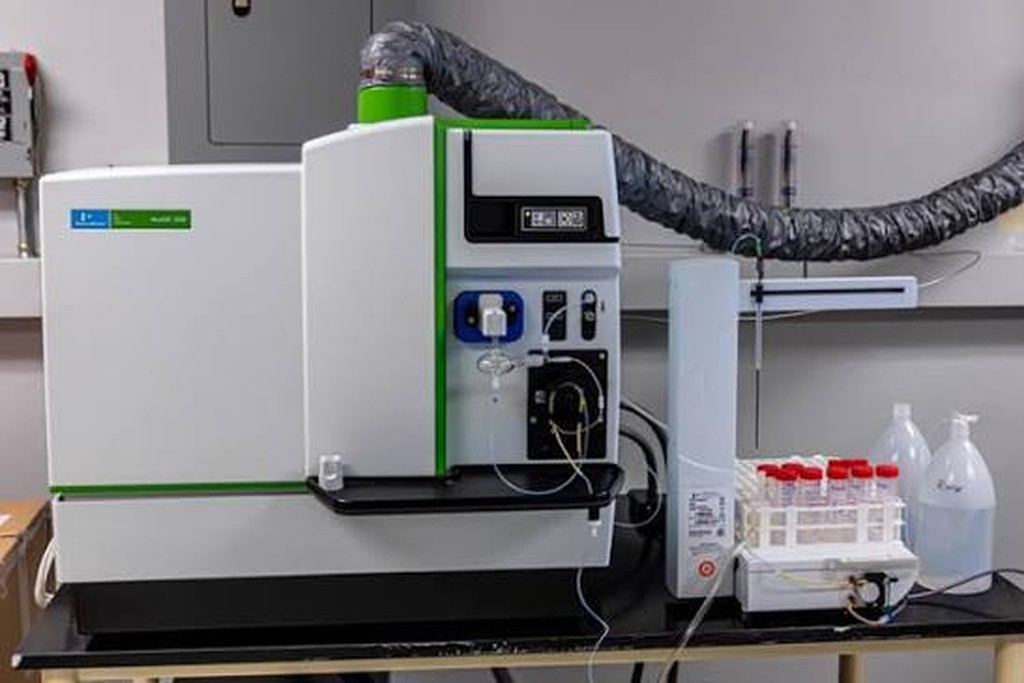
Argon plasma ionises the sample; ions are separated by mass-to-charge ratio.
Beer–Lambert law: absorbance is proportional to concentration.
Infrared absorption at characteristic molecular vibration frequencies.
Atomised sample absorbs element-specific light from a hollow cathode lamp.
Amplification and sequence-based detection of nucleic acids.
Electromagnetic force restoration with calibrated reference masses.
The legally recognised books of quality standards that decide which tests a product must pass, by which method and within which limits.
Who sets the rules, who enforces them and under which law — mapped from India to the rest of the world.
Regulates drugs, food and devices for the US market; inspects manufacturing sites worldwide.
Coordinates scientific evaluation and supervision of medicines across the EU.
UK regulator for medicines, devices and blood components.
Issues global guidance, prequalification and WHO GMP expectations.
Publishes management and laboratory standards used across industries.
International food standards, codes of practice and residue limits.
Competence of testing and calibration laboratories — the basis of NABL accreditation.
Quality management systems for any organisation.
Food safety management systems across the food chain.
Hazard analysis and critical control points in food processing.
Good Manufacturing Practices for drug and food production.
Good Laboratory Practices for study conduct and data reliability.
Good Distribution Practices for storage and transport of medicines.
Good Clinical Practice for ethical, reliable clinical trials.
International food standards and maximum residue limits.
Indian Standards for products, water and test methods.
Indian food product standards, additives and contaminant limits.
WHO manufacturing expectations, often required for exports and tenders.
Documentation exercises on real formats, an individual mini project, a written report and a final presentation.
Every certificate carries a unique ID and QR code. Recruiters and colleges can confirm authenticity instantly on our verification portal — nothing to forge.
Industry Immersion & Participation Certificate issued on the same day.
Industry Excellence Certificate covering all six days of training.
Recorded assessment of instrument, documentation and regulatory understanding.
Unique certificate ID with QR code, verifiable any time on our verification portal.
Anyone can register — no college sponsorship needed. Each student applies individually for the one-day or one-week programme at a fixed per-participant fee.